 AI
AI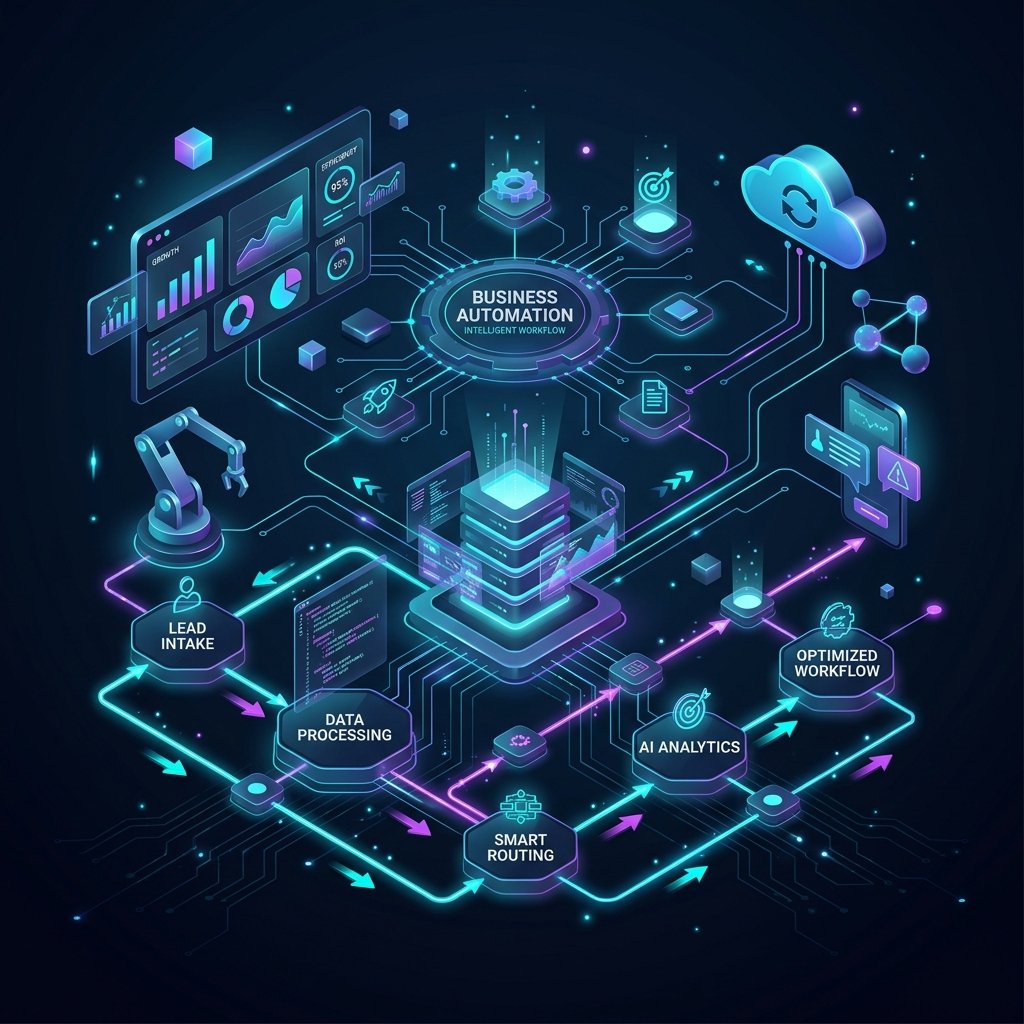
The catchy version of this idea ("an AI runs the whole company") gets ahead of where the law actually is. The useful, buildable version is narrower: use a multi-agent framework to divide a dropshipping operation's work across specialized agents, while a human remains the legal owner, the registered agent, and the final approver for anything above a threshold you set. That's a genuine 2026-era capability. Full autonomous legal ownership is a 2028-and-beyond question that legal scholars are actively arguing about, not a settled feature you can configure.
What's buildable now vs. what's still speculative
1. Buildable: split the workload across agents. Define an order agent (handles webhook intake and supplier hand-off), a pricing agent (watches competitor prices), and a support agent (drafts customer replies) as separate nodes in a graph, so a bug in one doesn't take down the others.
2. Buildable: keep a human as the actual LLC member. Whatever the agents automate operationally, the LLC's registered member and registered agent should be a person or a human-controlled entity — that's not a workaround, it's what the law currently requires everywhere in the U.S.
3. Speculative: an AI system as the recognized operator of the entity. A few researchers and at least one non-U.S. jurisdiction have explored algorithmic governance structures for exactly this idea. It's worth reading about — it is not something to build a business on top of yet.
# Conceptual sketch of a LangGraph-style multi-agent workflow.
# Illustrative — handle_new_order / check_competitor_prices / draft_customer_reply
# are your own functions, not part of any library.
from langgraph.graph import StateGraph, END

workflow = StateGraph(AgentState)
workflow.add_node("order_agent", handle_new_order)
workflow.add_node("pricing_agent", check_competitor_prices)
workflow.add_node("support_agent", draft_customer_reply)

workflow.add_edge("order_agent", "pricing_agent")
workflow.add_edge("pricing_agent", "support_agent")
workflow.add_edge("support_agent", END)

app = workflow.compile()| Layer | Status today | What to actually do |
|---|---|---|
| Multi-agent task orchestration | Real, production-usable (LangGraph and similar) | Build it — split order/pricing/support into separate agents |
| AI as the LLC's legal owner/operator | Unsettled, actively debated by legal scholars | Keep a human as the registered member and agent |
The interesting long-term question — whether the law will ever recognize an AI system as something closer to a corporate operator than a tool — is worth following. But the business you can actually run in 2026 is a human-owned LLC where the operational grunt work is split across cooperating agents. That's not a lesser version of the idea; it's the version that's legally sound today.
Practical Challenge
Sketch which three tasks in your own store you'd split into separate agents, and — for each one — write down the specific condition under which a human has to approve the action before it executes.
Concept Check
Sources & Further Reading
- LangChain Docs — Multi-agent systems — patterns for coordinating multiple agents in one workflow.
- LangGraph (GitHub) — the graph-based orchestration framework referenced in the code sketch above.
- The Conversation — "AIs could soon run businesses" — accessible overview of the legal debate around AI-operated entities.
- Courthouse News — "The legal system could recognize AI-led corporations, researchers say" — reporting on the current state of this unsettled legal question.